Tag: Stress Relief

  • 🧠 Top 5 Natural Supplements for Focus, Energy & Stress Relief in 2025 | MD Approves ✅

    🧠 Top 5 Natural Supplements for Focus, Energy & Stress Relief in 2025 | MD Approves ✅

    From brain-boosting mushrooms to stress-busting adaptogens — here’s what actually works.

    At MDApproves, we believe in providing only the most honest, well-researched, and experience-backed product insights. Whether you’re biohacking your way to better focus, navigating burnout recovery, or just looking to feel a bit more “you” again — this is your go-to hub for clarity in a noisy wellness world.

    Below are five natural ingredients that have stood the test of time and modern research. These aren’t hype picks — they’re what we personally take, review, and stand behind. We’ve also added typical daily dosage ranges to help you shop smarter when choosing the right supplement for your stack.


    🌿 1. Ashwagandha – The Stress Shield

    Ashwagandha roots and powder on a white background, natural adaptogen for stress relief

    A powerhouse adaptogen used for centuries in Ayurvedic medicine. Known to help reduce cortisol, balance mood, and improve sleep quality. If you’re stuck in that wired-but-tired loop or battling anxious thoughts, Ashwagandha is one of the first ingredients we recommend trying.

    • ✅ Reduces anxiety and supports calmness
    • ✅ Improves sleep + physical recovery
    • ✅ Boosts testosterone and strength in men
    • Recommended daily dose: 300–600mg (standardized to KSM-66 or Sensoril)

    📍 Try it on Amazon


    🍄 2. Lion’s Mane – The Brain Booster

    Close-up of fresh Lion's Mane mushroom, known for cognitive support and brain health

    This shaggy mushroom supports nerve growth and cognitive function. Loved by creatives, entrepreneurs, and students alike for its long-term brain benefits. It’s a safe, effective way to fight mental fatigue and stay sharp without stimulants.

    • ✅ Enhances focus & memory retention
    • ✅ Supports brain regeneration & clarity
    • ✅ May help prevent neurodegeneration long-term
    • Recommended daily dose: 500–1000mg of fruiting body extract (30% polysaccharides or higher)

    📍 Find Lion’s Mane supplements


    🔥 3. Cordyceps – The Energy Mushroom

    Cordyceps mushroom on white background, natural energy-boosting supplement

    Cordyceps mushroom increases oxygen uptake and ATP (your cells’ energy currency), which translates to more energy, better workouts, and greater resilience. It’s the not-so-secret weapon of endurance athletes and weekend warriors alike.

    • ✅ Boosts stamina, VO2 max & endurance
    • ✅ Supports immunity and lung health
    • ✅ Clean, stimulant-free energy boost
    • Recommended daily dose: 1000–2000mg (Cordyceps militaris extract)

    📍 Shop Cordyceps here


    ✨ 4. Bacopa Monnieri – The Memory Enhancer
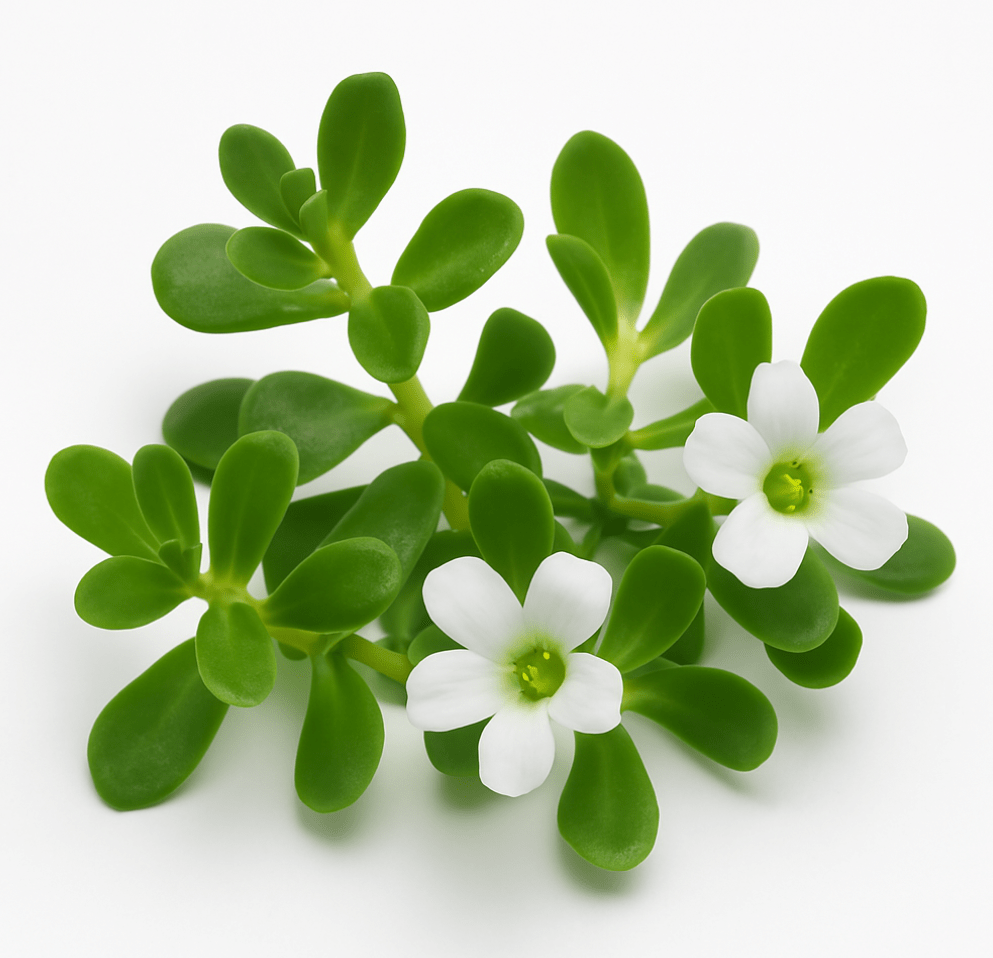
    Bacopa Monnieri herb with green leaves and small white flowers, natural memory enhancer

    Used in traditional Ayurvedic medicine for centuries, Bacopa is known for its ability to enhance cognitive performance, memory retention, and reduce brain fog. It’s a staple for students and anyone with mentally demanding workloads.

    • ✅ Improves memory and mental processing
    • ✅ Reduces anxiety and stress response
    • ✅ Supports long-term brain health
    • Recommended daily dose: 300–450mg (standardized to 20% bacosides)

    📍 Try Bacopa on Amazon


    ⚡ 5. Rhodiola Rosea – The Anti-Fatigue Herb

    Rhodiola Rosea roots and stems, adaptogenic herb for reducing fatigue and improving resilience

    If you’ve ever felt mentally wiped out, emotionally drained, or physically sluggish by 3 PM — Rhodiola could be your next best friend. It’s a classic Siberian herb that helps your body adapt to stress, improves cognitive function, and enhances physical performance.

    • ✅ Sharpens mental clarity under pressure
    • ✅ Boosts clean energy and endurance
    • ✅ Enhances athletic performance and resilience
    • Recommended daily dose: 200–400mg (standardized to 3% rosavins + 1% salidroside)

    📍 Get Rhodiola on Amazon


    ✍️ Final Word from Matt:

    These are the five ingredients I come back to time and time again. When I started taking my daily health seriously, everything changed — from mood and motivation to energy and mental clarity.

    If you’re looking for a shortcut to get many of these in one go, I now use Rainbow Dust as my daily base. It combines Ashwagandha, Lion’s Mane, Cordyceps, Rhodiola and more — all in one easy, tasty scoop.

    Rainbow Dust adaptogen powder blend, Spacegoods daily supplement with mushrooms and herbs

    📍 Try Rainbow Dust here

    Want your day to run smoother, your workouts to feel stronger, and your brain to fire sharper? Start here. Start smart.


    Affiliate Disclosure: This post contains affiliate links. If you use these links to buy something, I may earn a commission — at no extra cost to you. Thanks for supporting MD Approves and keeping this content flowing!

  • Mindfulness for Beginners: 5 Simple Habits to Reduce Stress & Improve Focus

    Mindfulness for Beginners: 5 Simple Habits to Reduce Stress & Improve Focus

    A peaceful person sitting cross-legged in a serene outdoor setting, practicing mindfulness meditation. The scene is bathed in warm morning light, with soft greenery and a gentle breeze. The person is breathing deeply, eyes closed, with a calm and focused expression.

    What is Mindfulness?

    Mindfulness is the practice of being fully present in the moment—without distractions, worries about the past, or anxiety about the future. It’s about engaging with life intentionally and non-judgmentally, allowing you to experience clarity, focus, and reduced stress.

    Modern life is filled with distractions, overstimulation, and non-stop notifications. This constant noise increases stress levels, decreases productivity, and affects mental well-being. Practicing mindfulness can help rewire your brain for calmness and focus, making everyday tasks more enjoyable and less overwhelming.

    5 Easy Mindfulness Habits Anyone Can Start Today

    A person practicing deep breathing indoors. They are sitting on a comfortable cushion with eyes closed, taking a deep breath. A calm, peaceful atmosphere with soft lighting and a serene background enhances relaxation.

    1. 1-Minute Deep Breathing

    One of the fastest ways to shift into mindfulness is through controlled breathing.

    • How to do it:
      • Inhale deeply through your nose for 4 seconds.
      • Hold your breath for 4 seconds.
      • Exhale slowly through your mouth for 6 seconds.
      • Repeat for one minute.

    Why it works: Deep breathing activates the parasympathetic nervous system, reducing stress hormones like cortisol and promoting relaxation instantly.


    2. Mindful Eating

    A close-up of a person eating mindfully, savoring each bite. The setting is calm, with natural light coming through a window. The food is colorful and nutritious, with the person enjoying the taste and texture of each bite.

    Most people eat in a rush, distracted by screens or thoughts about their next task. Mindful eating brings awareness to the experience of eating, improving digestion and satisfaction.

    • How to do it:
      • Take slow, deliberate bites.
      • Chew thoroughly and focus on the taste, texture, and aroma.
      • Put down your utensils between bites.
      • Avoid screens while eating.

    Why it works: This practice helps regulate appetite, prevents overeating, and enhances the enjoyment of food.


    3. Gratitude Journaling

    A person writing in a gratitude journal at a cozy desk with a cup of tea. The setting is warm and inviting, with natural light coming through a window. The journal page is open, showing handwritten notes about things they are grateful for.

    Shifting focus from stress to gratitude rewires the brain for positivity and resilience.

    • How to do it:
      • Every morning or evening, write down three things you’re grateful for.
      • Be specific (e.g., “I’m grateful for the coffee my partner made me this morning” instead of “I’m grateful for my family”).
      • Reflect on how each gratitude point impacts your life.

    Why it works: Studies show gratitude practice lowers stress, improves mood, and boosts overall well-being.


    4. Tech-Free Mornings

    A cozy bedroom in the morning with a person stretching after waking up, phone untouched on the bedside table. Sunlight is streaming through the window, and the person is enjoying a tech-free start to the day.

    Starting the day without digital distractions helps improve focus, mental clarity, and stress management.

    • How to do it:
      • Avoid checking your phone for the first 30 minutes of your morning.
      • Instead, stretch, drink water, journal, or simply enjoy your surroundings.
      • Use a physical alarm clock instead of your phone to prevent doom-scrolling.

    Why it works: Reduces dopamine dependency, increases morning productivity, and prevents stress triggers from notifications.


    5. Walking Meditation

    A person practicing walking meditation in a peaceful park, slowly stepping with awareness. The surroundings are calm with trees, birds, and soft sunlight filtering through the leaves. The person looks relaxed and mindful, focusing on each step.

    Mindfulness doesn’t have to be still. Walking meditation is a simple way to practice mindfulness while moving.

    • How to do it:
      • Walk at a slow, steady pace.
      • Pay attention to each step, feeling your feet against the ground.
      • Observe the sights, sounds, and sensations around you.
      • Take deep breaths as you walk.

    Why it works: Combines exercise, mindfulness, and nature exposure, reducing stress and improving mental clarity.


    The Science Behind Mindfulness

    Mindfulness isn’t just a buzzword—it’s backed by science. Studies have shown that regular mindfulness practice:

    • Reduces cortisol (stress hormone) levels
    • Improves focus and working memory
    • Enhances emotional regulation and resilience
    • Strengthens the prefrontal cortex (responsible for decision-making and self-control)

    Neuroscientists have found that just 10 minutes of mindfulness practice per day can lead to noticeable improvements in stress reduction and cognitive function within a few weeks.


    Final Thoughts & Next Steps

    Mindfulness doesn’t require hours of meditation or drastic lifestyle changes. By integrating small, daily habits, you can build a more present, stress-free, and focused mindset.

    👉 Which habit will you start today? Try one and see how it changes your mindset! If you want more insights into stress management, check out our Deep Dive articles on brain health and wellness.

    🔗 Want to go deeper into mindfulness? Try SleepyMeditation, a collection of 19 transformative guided meditations designed for deep relaxation and inner peace. Explore SleepyMeditation Here

    🔗 Looking for expert meditation guidance? Check out MeditationExpert for in-depth teachings on how to master mindfulness and inner peace.